One Base Ingredient, Three Easy Meals, One Week for Newlywed Couples
For many newlywed couples, food is one of the first daily stress points that quietly shows up. Not because cooking is hard, but because deciding what to eat every night requires time, coordination, and mental energy that often runs out by the end of the day. When both partners are adjusting to shared routines, even…
For many newlywed couples, food is one of the first daily stress points that quietly shows up. Not because cooking is hard, but because deciding what to eat every night requires time, coordination, and mental energy that often runs out by the end of the day. When both partners are adjusting to shared routines, even simple meals can feel heavier than expected.
This approach removes that pressure by anchoring the week around one base ingredient and intentionally reusing it across three distinct meals. The goal is not to meal prep everything in advance or eat the same dish repeatedly. The goal is to make dinner easier to start, easier to agree on, and easier to finish without wasting food or energy.
This system works particularly well for newlywed couples because it reduces decision-making while still leaving room for flexibility and preference.
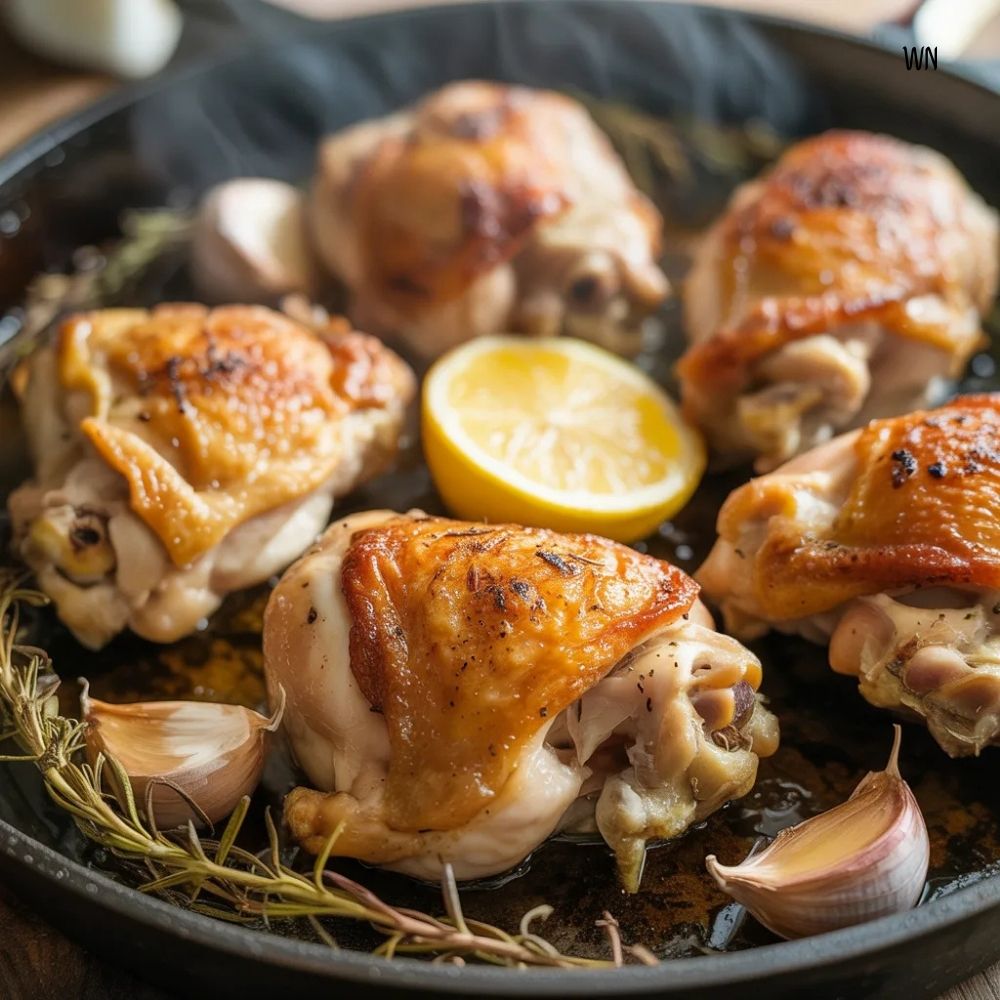
The Base Ingredient: Roasted Chicken Thighs
For this week, the base ingredient is oven-roasted chicken thighs. They are forgiving, flavorful, affordable, and easy to reuse in different formats without drying out or tasting repetitive.
You will cook the chicken once at the beginning of the week, then reuse it across three meals over seven days.
Why this ingredient works
- It reheats well without losing texture
- It can be shredded, sliced, or chopped
- It works with multiple flavor directions
- It feeds two people comfortably across several meals
The One-Time Base Prep (Day 1 – 40 Minutes Total)
This is the only time you cook the base ingredient from scratch.
What you need
- 6–8 bone-in or boneless chicken thighs
- Olive oil
- Salt and pepper
Optional but helpful:
- Paprika, garlic powder, or dried herbs if you already have them
How to prepare
Preheat the oven to 400°F (200°C). Place the chicken thighs on a baking tray. Drizzle lightly with olive oil and season generously with salt and pepper on both sides. Add any optional seasoning you enjoy.
Roast for 35–40 minutes until fully cooked and lightly golden. Let the chicken rest for ten minutes after cooking. Once cooled slightly, remove the skin if you prefer, then divide the chicken into three portions.
Store each portion in a separate container in the fridge. Label them mentally or physically as Meal 1, Meal 2, and Meal 3. This separation matters because it prevents overuse early in the week.
Meal 1: Simple Chicken Bowls (Early Week)
When to eat this
Day 2 or Day 3, when energy is still relatively stable and you want something satisfying without effort.
What this meal is
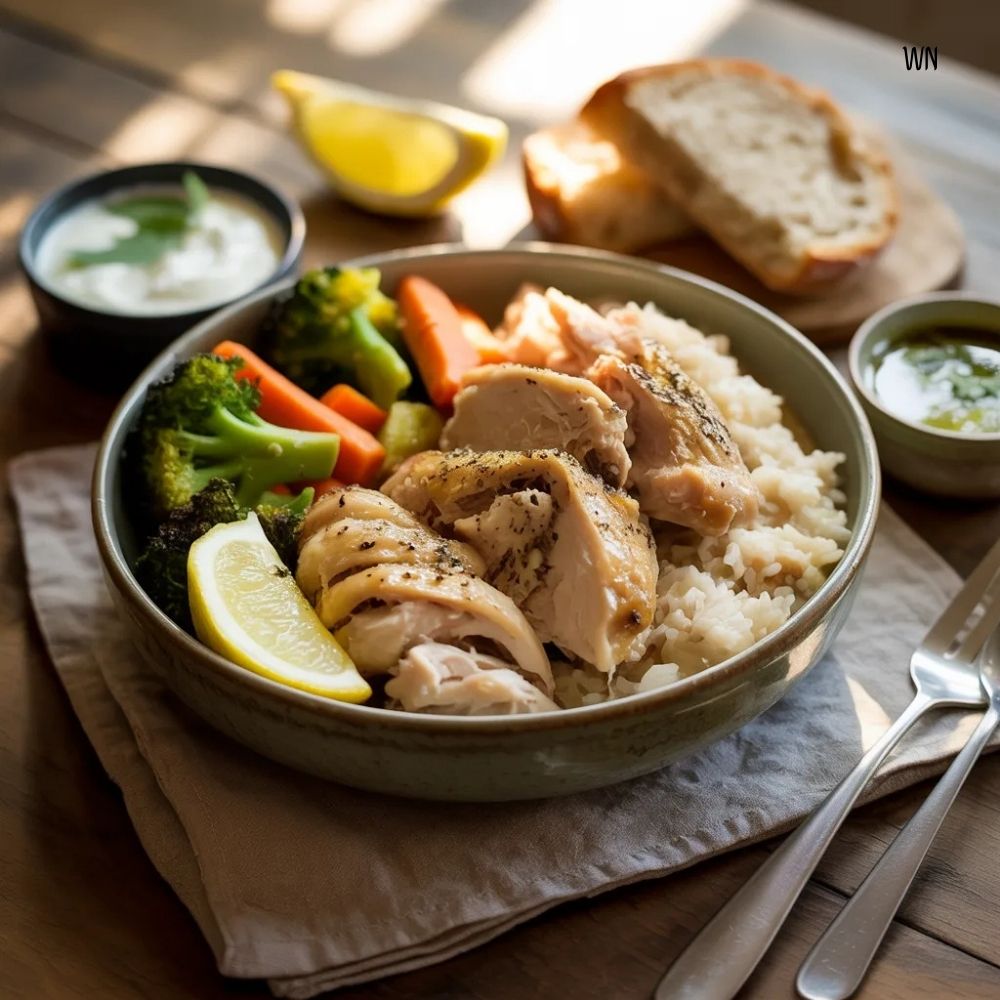
A warm bowl meal built around sliced or chopped roasted chicken, using whatever grains and vegetables you already have.
What you need
- One portion of roasted chicken
- Rice, quinoa, or bread
- Any vegetables you already have (fresh or frozen)
- Olive oil or butter
- Salt and pepper
Optional:
- Yogurt, lemon, or a simple sauce you like
How to assemble (15 minutes)
Reheat the chicken gently in a pan or microwave. Warm your grain or bread. Heat vegetables quickly in a pan with oil, salt, and pepper.
Assemble everything in bowls. Add a spoon of yogurt, a squeeze of lemon, or a drizzle of oil if desired.
Why this works for newlyweds
This meal requires almost no coordination. One person can heat the chicken while the other prepares the sides. It feels like a complete dinner without feeling heavy or complicated.
Meal 2: Crispy Chicken Wraps or Toasts (Midweek)
When to eat this
Day 4 or Day 5, when motivation is lower and meals need to feel different to stay appealing.
What this meal is
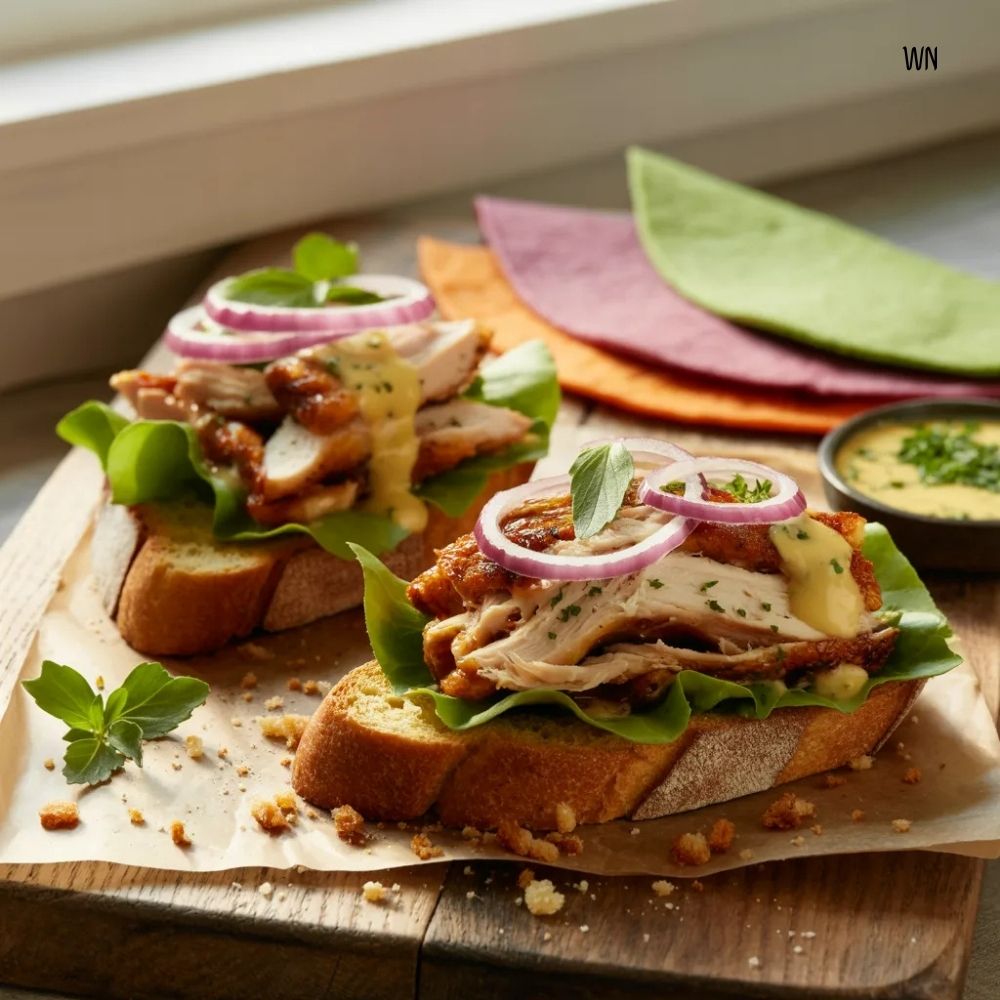
A texture-focused meal that transforms the chicken so it no longer feels like leftovers.
What you need
- One portion of roasted chicken
- Bread, wraps, or tortillas
- Oil or butter
- Any crunchy element you already have (onion, cabbage, greens)
Optional:
- Cheese, mustard, or leftover sauce
How to assemble (15–20 minutes)
Chop the chicken into small pieces. Heat a pan with a little oil and add the chicken. Let it cook undisturbed for a few minutes so it crisps slightly.
Warm your bread or wraps. Add chicken, crunch, and any sauce or spread you enjoy.
Why this works
Changing the texture changes the experience. The chicken becomes crisp instead of tender, which makes it feel like a new meal rather than reused food.
This meal is especially good for nights when neither partner wants to sit down for a formal dinner.
Meal 3: Comfort Chicken Skillet or Soup (Late Week)
When to eat this
Day 6 or Day 7, when energy is lowest and comfort matters most.
What this meal is
A warm, forgiving dish that stretches the final portion of chicken into something soothing.
Option A: Simple Chicken Skillet
- Chop the chicken
- Add it to a pan with vegetables and a splash of water or broth
- Simmer briefly and season
Option B: Quick Chicken Soup
- Add chicken to a pot with water or broth
- Add any vegetables you have
- Simmer 15 minutes and season
Serve with bread if available.
Why this works
This meal prioritizes warmth and ease. It uses the chicken in a way that feels intentional and complete, even when energy is low.
For newlywed couples, this kind of meal helps prevent defaulting to takeout at the end of the week.
How Couples Can Split Tasks Without Stress
This system works best when tasks are divided simply:
- One person handles reheating or cooking
- The other handles assembly or sides
There is no rotating schedule or negotiation required. Roles can shift naturally based on energy.
How to Repeat This System Next Week
Once you understand the structure, you can swap the base ingredient:
- roasted vegetables
- cooked ground meat
- baked tofu
- lentils or beans
The format stays the same. Only the ingredient changes.
Final Practical Takeaway
Newlywed life is full of adjustments, and food should not be one of the hardest ones. Using one base ingredient across three meals in one week removes friction without removing enjoyment.
This system gives structure without rigidity, comfort without boredom, and shared meals without daily negotiation. You cook once, decide once, and eat well all week.