How to Make One Room Feel Better in Under 20 Minutes
Most people think a room feels bad because it is dirty, outdated, or poorly decorated. In reality, rooms usually feel bad because they create friction. Too many objects compete for attention, surfaces are unclear, and nothing signals that the space has been intentionally “closed” or reset. When life is busy, that friction builds quickly, even…
Most people think a room feels bad because it is dirty, outdated, or poorly decorated. In reality, rooms usually feel bad because they create friction. Too many objects compete for attention, surfaces are unclear, and nothing signals that the space has been intentionally “closed” or reset. When life is busy, that friction builds quickly, even in rooms that are technically clean.
The good news is that you do not need to deep clean, redecorate, or buy anything to make a room feel noticeably better. You need a short, structured reset that removes visual noise, restores function, and gives the room a clear baseline again. When done correctly, this takes less than twenty minutes and creates a result you can feel immediately.
This method works because it focuses on impact, not completeness. You are not fixing the room forever. You are improving how it feels right now, using actions that give the highest return for the least effort. Set a timer for twenty minutes before you start. The time limit is part of why this works.
Step 1 (Minutes 0–5): Remove What Does Not Belong in the Room
Every room accumulates objects that belong somewhere else. These items create the most visual and mental clutter because your brain registers them as unresolved tasks. The fastest way to improve how a room feels is to remove those items without reorganizing anything else.
Start by walking through the room with an empty bag, basket, or your arms. Pick up anything that clearly belongs in another room. This includes dishes, cups, laundry, bags, paperwork, tools, or random objects dropped temporarily.
Do not stop to put these items away. Place them all in one container or pile and move them out of the room entirely. You can deal with them later or not at all. The goal is separation, not completion.
This step alone often creates a noticeable shift because the room immediately becomes more coherent. Everything left now has a reason to be there.
Step 2 (Minutes 5–10): Clear and Reset One Visible Surface
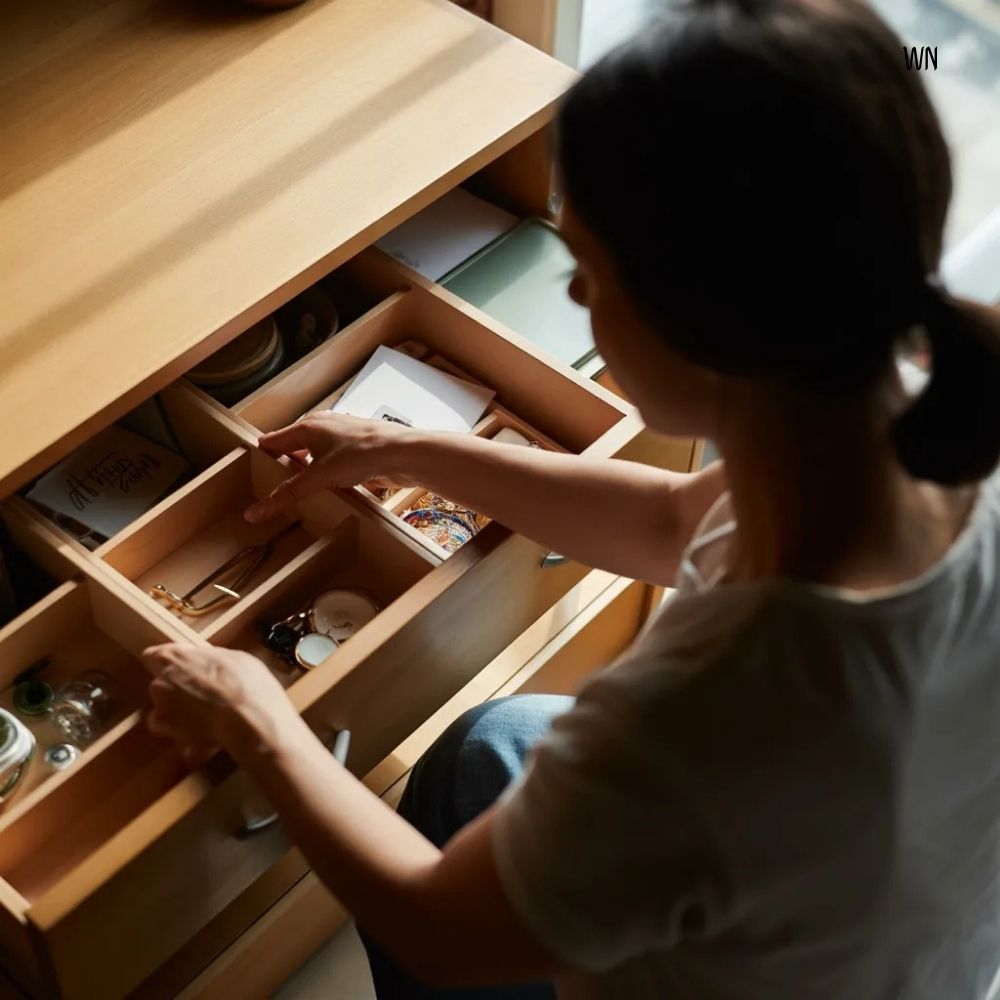
Every room has at least one surface that dominates how it feels. This might be a coffee table, bed, desk, kitchen counter, or dresser. When that surface is cluttered, the entire room feels busy, even if the rest is fine.
Choose one surface only. Do not move to another surface, even if you see clutter elsewhere. Focus is what keeps this process fast.
Remove everything from that surface except items that are permanently meant to live there. If you are unsure, remove it anyway. Place the removed items into the same container you used earlier or stack them neatly off the surface.
Once the surface is clear, wipe it quickly with whatever is available. This does not need to be perfect. The act of wiping signals reset more than cleanliness.
Then return only the items that truly belong on that surface, ideally no more than three to five objects. Spacing matters more than quantity. Leave empty space on purpose.
This step works because clear surfaces give the brain a place to rest, which immediately changes how the room feels.
Step 3 (Minutes 10–14): Restore the Room’s Intended Function
Rooms feel stressful when their function is unclear. A living room becomes stressful when it turns into storage. A bedroom feels wrong when it becomes a work zone. A kitchen feels overwhelming when it holds unfinished tasks.
Ask one simple question: What is this room mainly for?
Then make one adjustment that supports that function. This might look like:
- straightening cushions in a living room
- pulling the bed into alignment in a bedroom
- pushing chairs back under a table
- stacking books neatly instead of spreading them out
- placing remote controls or frequently used items in one visible spot
Do not aim for decoration. Aim for clarity. When the function is restored, the room feels purposeful again, even if it is not perfect.

Step 4 (Minutes 14–17): Adjust Light, Air, or Texture
This step changes the emotional tone of the room quickly. You are not cleaning. You are regulating the environment.
Choose one of the following, depending on what the room needs:
- Open a window for fresh air, even briefly.
- Turn off harsh overhead lighting and use softer light if available.
- Smooth fabric surfaces like a couch throw or bedspread.
- Close unnecessary curtains or blinds to reduce visual noise.
These adjustments affect how the nervous system responds to the space. Even small changes here can make a room feel calmer or more settled.
Do not overthink this step. One change is enough.
Step 5 (Minutes 17–20): End With a Clear “Done” Signal
Many rooms feel perpetually unfinished because there is no clear ending to the effort. Your brain keeps scanning for what is next, which prevents the room from ever feeling complete.
Create a visible “done” signal. This might be:
- placing one object intentionally, like a pillow or lamp
- sitting briefly in the space and noticing what looks better
- saying out loud, “This room is reset for now”
This may sound simple, but it matters. Closure helps your brain release the room instead of continuing to mentally work on it.
When the timer ends, stop. Even if the room is not perfect, it should feel noticeably better than when you started.
What This 20-Minute Reset Actually Fixes
This method works because it targets the three biggest contributors to room stress:
- misplaced items
- cluttered focal points
- unclear function
By addressing these first, you get disproportionate results without deep cleaning or organizing. The room becomes easier to be in, which is the real goal.
This is especially helpful for couples, busy households, or people planning for bigger life changes. When energy is limited, small structured resets are far more sustainable than occasional overhauls.
How to Use This Method in Real Life
This is not a one-time fix. It is a repeatable tool.
Good times to use it include:
- before guests arrive
- at the end of a workweek
- when a room feels “off” but you do not know why
- before starting a new week
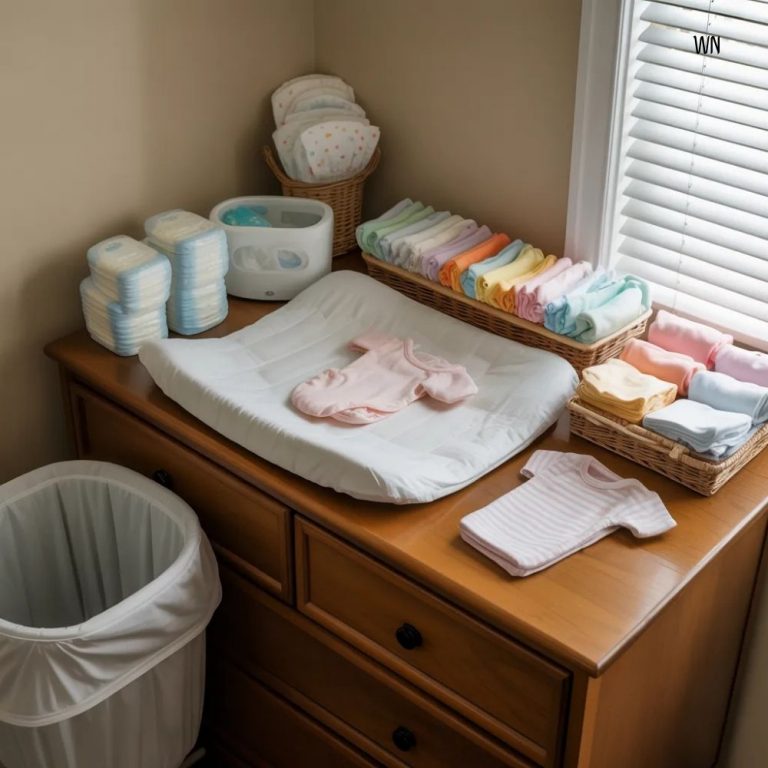
- during transitions, such as preparing for a baby
You can apply it to the same room multiple times or rotate rooms across days. Because it is time-bound and specific, it does not create resistance.
Final Practical Takeaway
If you want a room to feel better quickly, do not clean everything and do not buy anything. Remove what does not belong, clear one surface, restore the room’s purpose, adjust the environment slightly, and stop when the timer ends.
Twenty minutes is enough to change how a room feels when the effort is focused. The goal is not a perfect room. The goal is a room that supports you instead of draining you. This is a skill you can use again and again, especially when life is full and energy is limited.