Easy Plants Couples Can Take Care Of Together
Bringing plants into a shared home is one of the simplest ways couples can add life, comfort, and a sense of care to their space. Plants soften rooms, change how light feels, and quietly mark the passage of time as they grow. For couples planning a family, they also offer something deeper. Caring for plants…
Bringing plants into a shared home is one of the simplest ways couples can add life, comfort, and a sense of care to their space. Plants soften rooms, change how light feels, and quietly mark the passage of time as they grow.
For couples planning a family, they also offer something deeper. Caring for plants together creates a shared responsibility that is gentle, forgiving, and surprisingly grounding.
What often stops people from starting is the fear of doing it wrong. Many assume plant care requires special knowledge, perfect schedules, or constant attention.
In reality, the best plants for shared life are the ones that adapt easily to real routines. They don’t need daily monitoring, they forgive missed waterings, and they respond well to simple care.
This guide focuses on easy plants couples can take care of together without stress. These are plants that fit busy lives, support a calm home, and create small moments of connection rather than pressure.
Why Caring for Plants Together Works So Well for Couples
Plant care is different from many household responsibilities. It’s not urgent, it’s not loud, and it rarely turns into conflict. Plants respond slowly, which makes caring for them feel calming rather than demanding.
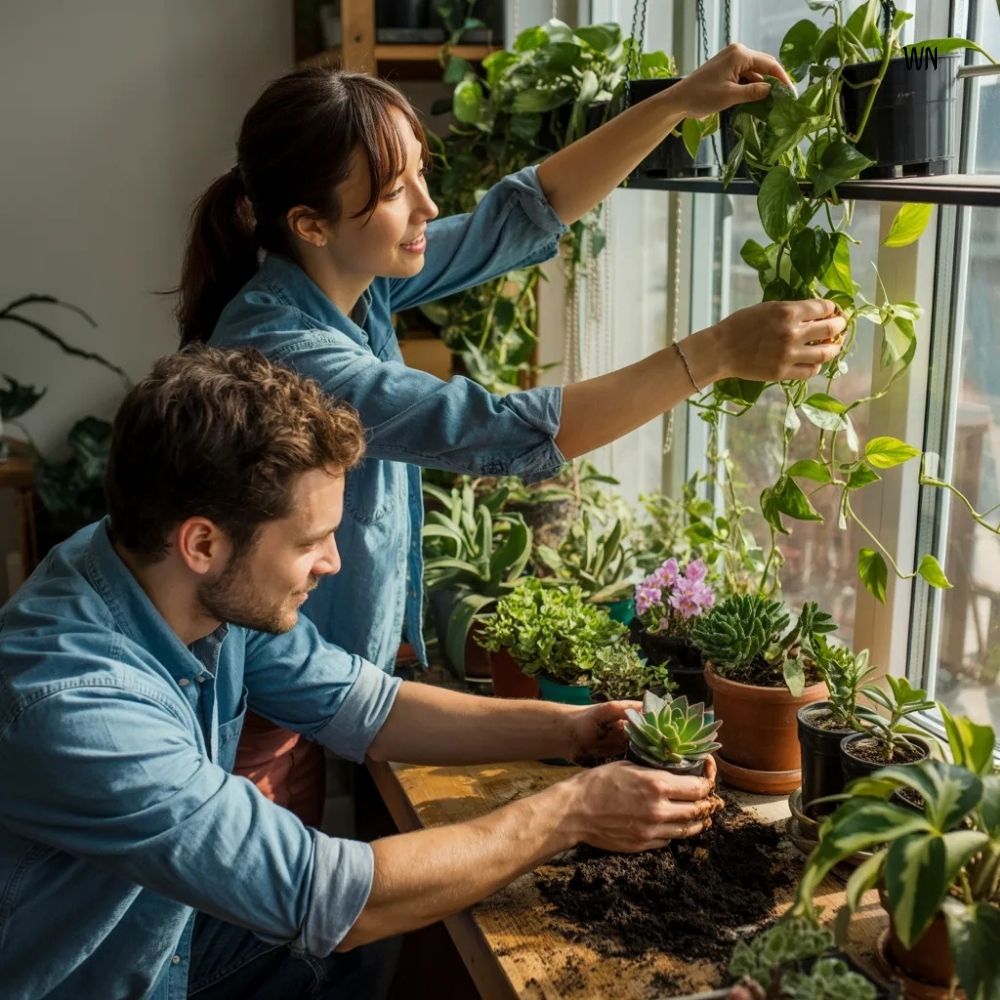
For couples, plants create a shared point of attention. You notice changes together, adjust care together, and enjoy growth together. This kind of low-stakes responsibility builds cooperation without the emotional weight that other tasks sometimes carry.
Plants also bring a sense of rhythm into the home. Watering, checking light, and noticing new growth gently anchor you in the present moment. Over time, this becomes part of the shared environment you’re building together.
What Makes a Plant Easy to Care for as a Couple
Before choosing specific plants, it helps to understand what “easy” really means in shared life. Easy plants tend to have three things in common. They tolerate irregular care, they give clear signals when something is off, and they don’t require specialized conditions.
Plants that thrive in indirect light, prefer occasional watering, and don’t mind being slightly neglected tend to work best for couples. These plants fit naturally into busy schedules and reduce the risk of one partner feeling responsible for everything.
Choosing forgiving plants sets you up for success and keeps plant care enjoyable rather than stressful.
Snake Plant: Calm, Resilient, and Almost Impossible to Overdo
Snake plants are one of the most reliable choices for shared homes. They tolerate low light, bright light, and irregular watering with ease. This makes them ideal for couples still learning their home’s rhythms.
Snake plants prefer to dry out between waterings, which means you can forget about them for a while without causing harm. Their upright shape also makes them easy to place without needing constant adjustment.
Caring for a snake plant together is simple. Agree on a rough watering schedule, check the soil occasionally, and let the plant do the rest. It’s a great starting point for couples new to plant care.
Pothos: Flexible, Fast-Growing, and Easy to Share
Pothos plants are popular for a reason. They adapt quickly to different light conditions, grow visibly over time, and bounce back well from missed care. This makes them especially satisfying for couples who enjoy seeing results.
Pothos can trail from shelves, hang in baskets, or climb with minimal support. They also clearly show when they need water, which removes guesswork.
Caring for a pothos together often becomes a shared ritual. One person might notice new growth while the other handles watering. Over time, it becomes a quiet, shared habit that feels rewarding rather than demanding.
ZZ Plant: Perfect for Low-Energy Seasons
The ZZ plant is ideal for couples who want greenery without daily attention. It thrives in low light, needs infrequent watering, and maintains a tidy appearance with minimal care.
This plant works especially well for busy periods when energy is limited. It doesn’t ask for much, and it doesn’t punish inconsistency. For couples planning a family, having plants like this reduces pressure while still adding life to the space.
ZZ plants benefit from being left alone most of the time, which makes shared care simple and conflict-free.
Spider Plant: Interactive and Easy to Enjoy Together
Spider plants are forgiving, adaptable, and a little playful. They tolerate a range of light conditions and are quick to signal when they need water.
What makes spider plants especially fun for couples is how they produce “babies.” These small offshoots can be propagated easily, turning plant care into a shared mini-project.
Caring for a spider plant together creates opportunities for conversation and shared decision-making without stress. It’s a gentle way to practice nurturing something together.
Herbs: Practical Plants With Everyday Benefits
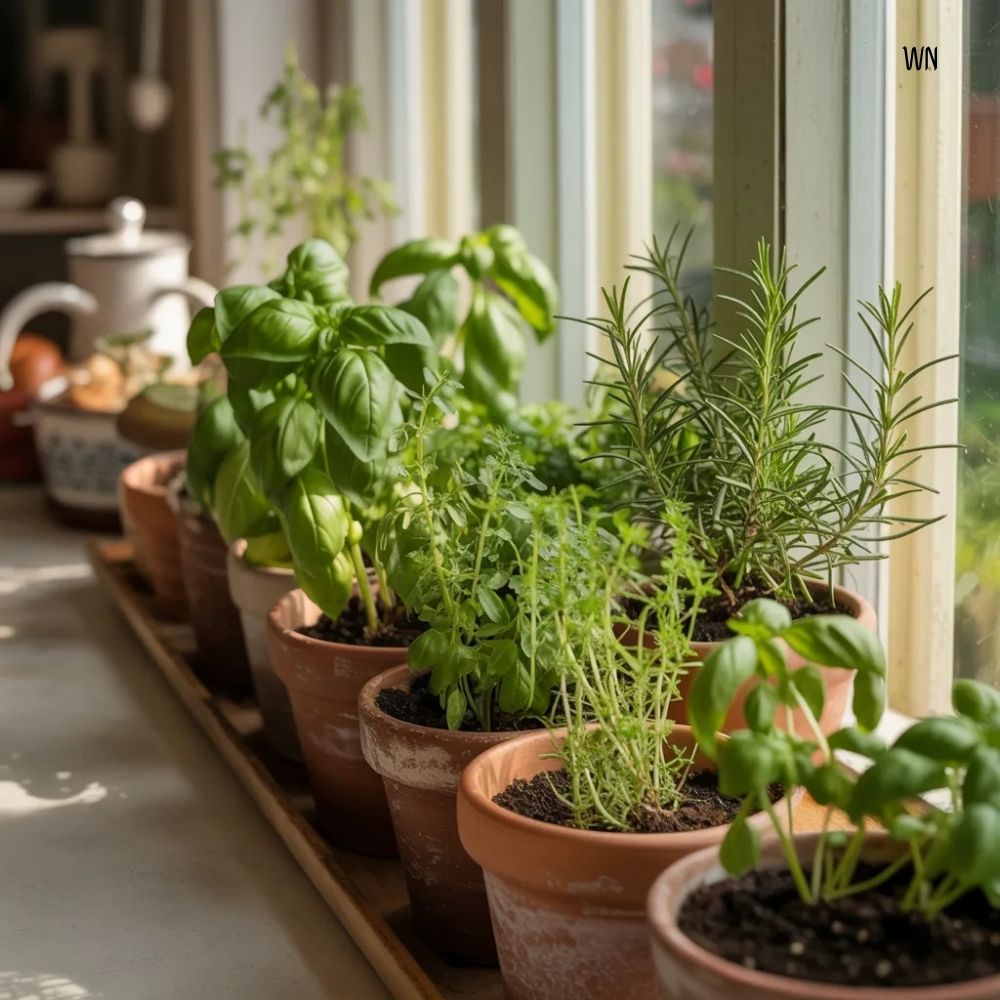
Herbs are a great option for couples who enjoy cooking together. Basil, mint, rosemary, and thyme are relatively easy to grow indoors with enough light and occasional watering.
Herbs add immediate value to daily life. You care for them, then use them together in meals. This direct connection between care and reward makes herb plants especially satisfying.
For shared care, herbs work best when placed where both partners see them regularly. This keeps them from being forgotten and turns watering into a natural part of daily routines.
Choosing the Right Spot Matters More Than Perfect Care
Many plant issues come from placement rather than care. Choosing the right spot from the beginning prevents frustration later.
When placing plants together, consider natural light, airflow, and visibility. Plants placed where you naturally spend time are more likely to receive consistent care. This also increases enjoyment, which makes the effort feel worthwhile.
Adjusting placement together helps couples learn their space and supports better outcomes with less effort.
Let Plant Care Be Imperfect
Plants don’t need perfect care to survive. In fact, many thrive with a bit of neglect. Allowing yourselves to make small mistakes without judgment keeps plant care relaxed and enjoyable.
If a plant struggles, it’s not a failure. It’s information. Adjusting care together builds confidence rather than discouragement.
This mindset is especially helpful for couples planning a family. Learning to care gently without perfection builds skills that extend far beyond plants.
A Grounding Final Thought
Easy plants offer more than decoration. They offer a way to care for something together, gently and consistently. By choosing forgiving plants and approaching care with flexibility, couples can enjoy greenery without stress or guilt.
These small shared habits create a home that feels alive, supportive, and cared for. If you’d like, we can next explore simple plant care routines for busy weeks, how to decorate with plants without clutter, or easy flower rituals couples can enjoy together.