How to Turn Dinner Into a Relaxing Shared Activity
For many couples, dinner happens in survival mode. One person cooks while the other scrolls, cleans up late, or mentally replays the day. Plates get eaten quickly, conversations feel scattered, and the evening moves on without much pause. Over time, dinner becomes something you get through rather than something you experience together. This doesn’t mean…
For many couples, dinner happens in survival mode. One person cooks while the other scrolls, cleans up late, or mentally replays the day.
Plates get eaten quickly, conversations feel scattered, and the evening moves on without much pause. Over time, dinner becomes something you get through rather than something you experience together.
This doesn’t mean couples don’t care about each other or about sharing time. It usually means life feels full, energy feels limited, and dinner has quietly become another task on the list. The idea of making dinner “special” can even feel unrealistic or exhausting.
The good news is that dinner doesn’t need to be elaborate or romantic to feel relaxing. It simply needs a few intentional shifts.
When couples adjust how dinner is approached, not what is served, the experience can change significantly. Dinner can become a moment of transition from the outside world into shared time, without adding pressure or work.
Why Dinner Feels Stressful Instead of Restful
Dinner often carries more emotional weight than we realize. It happens at the end of the day, when patience is lower and the mind is still full. Decisions have been made all day, and energy is often running thin. This makes even small inconveniences feel bigger.
For couples, dinner can also become a place where unspoken expectations surface. One person may want connection, the other may want quiet. One may be hungry and tired, the other distracted. When these needs aren’t acknowledged, tension can build silently.
Understanding that dinner stress is often about timing and energy rather than effort helps couples approach it with more compassion.
Shift the Goal From “Good Dinner” to “Calm Dinner”
One of the most helpful changes couples can make is redefining what success looks like at dinner. Instead of aiming for a good meal, aim for a calm experience. This subtle shift removes pressure and allows flexibility.
A calm dinner might be simple food, eaten a little later, with fewer expectations. It might involve takeout served on real plates or leftovers warmed thoughtfully.
When calm becomes the goal, couples are more willing to adapt rather than push through stress. This change alone can make dinner feel less demanding and more supportive.
Start Dinner Together, Even If You Don’t Finish Together
Many couples feel disconnected at dinner because they arrive at it separately. One person starts cooking earlier, the other joins later, and the moment of togetherness never quite happens.
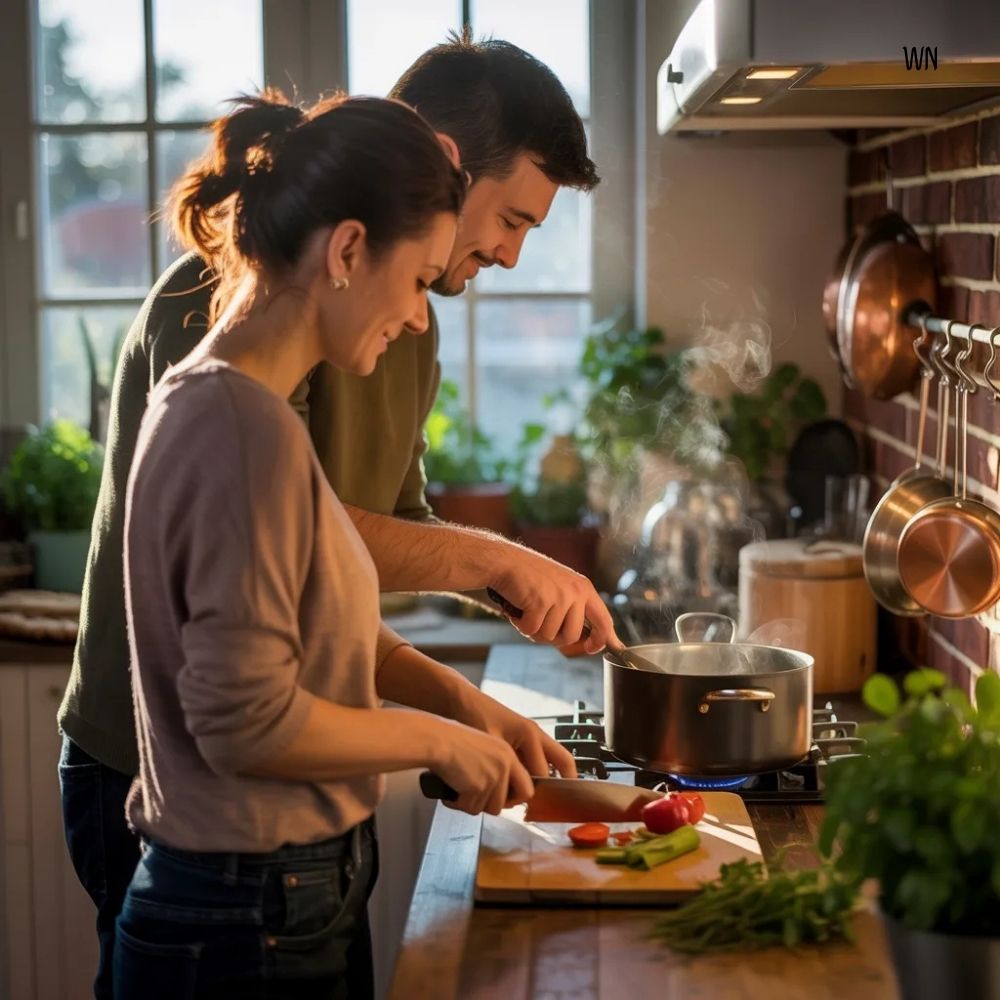
Starting dinner together, even briefly, helps align energy. This could be as simple as chopping vegetables side by side, setting the table together, or sharing a quick check-in before food is ready.
That shared beginning creates a sense of “we’re in this together,” even if tasks are divided later. This doesn’t require changing schedules. It’s about creating a moment of connection at the start.
Keep the Menu Familiar and Forgiving
Relaxing dinners rarely come from complicated recipes. They come from meals you don’t have to think about too much. Familiar food allows the body to relax because there’s no performance involved.
Choosing a small rotation of easy meals that both partners enjoy reduces decision fatigue. When dinner feels predictable in a comforting way, there’s more mental space for conversation and presence.
This also makes cooking together easier. When neither person feels unsure, cooperation comes more naturally.
Lower the Volume of the Outside World
One of the biggest obstacles to relaxing dinners is noise. Television, phones, and background distractions keep the nervous system active even when you’re sitting still.
Turning dinner into a shared activity often means intentionally lowering outside input. This doesn’t mean strict rules. It might mean putting phones away for the meal or choosing soft background music instead of the news.
Reduccing stimulation helps both people settle into the moment, making dinner feel more grounding rather than rushed.
Share the Work in a Way That Feels Fair, Not Equal
Relaxation disappears quickly when one person feels overburdened. Turning dinner into a shared activity requires attention to how tasks are divided.
This doesn’t mean everything must be split evenly. It means both partners feel the division is fair and acknowledged. One person may cook while the other cleans, sets the table, or handles leftovers.
What matters is communication. When both people know their role and feel appreciated, tension decreases and cooperation increases.
Eat Slower Than You Think You Have Time For
Many couples rush dinner without realizing it. Even when there’s no immediate reason to hurry, habits of speed carry over from the day.
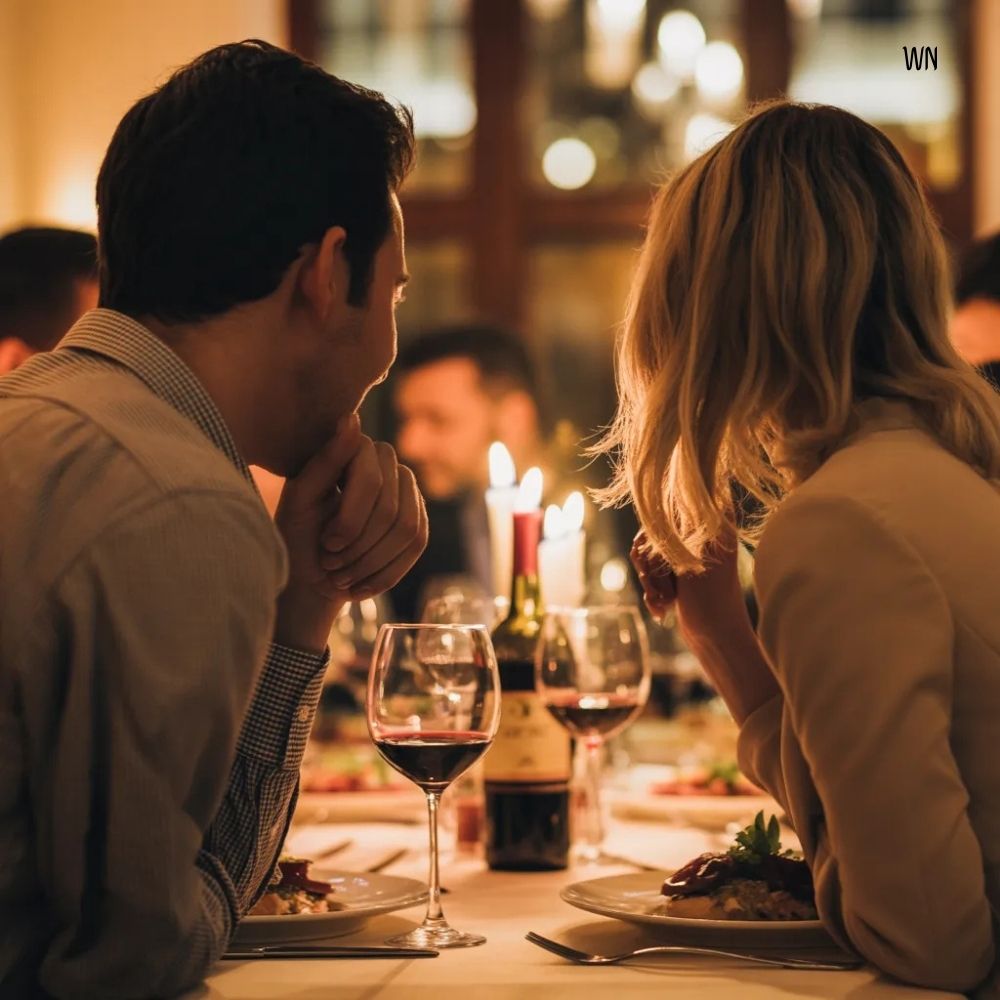
Slowing down slightly changes everything. Taking a few extra minutes to eat allows the body to relax and conversations to unfold naturally. This doesn’t require long dinners. It simply means being present rather than rushing.
Eating slower also helps both partners feel more satisfied, physically and emotionally.
Let Dinner Be Imperfect Without Commenting on It
Nothing breaks relaxation faster than criticism, even small ones. Commenting on how food turned out, how long it took, or what could be better keeps the mind in evaluation mode.
Allowing dinner to be imperfect without commentary creates emotional safety. When neither person feels judged, the space feels calmer and more enjoyable.
This is especially important for couples cooking together. Encouragement and acceptance matter more than results.
Create Small Rituals That Repeat Easily
Rituals turn ordinary moments into meaningful ones. They don’t need to be elaborate. Even small, repeatable actions can change how dinner feels.
This might include always sitting down together before eating, sharing one highlight from the day, or clearing the table together afterward. These rituals create continuity and familiarity, which helps the body relax.
For couples planning a family, these rituals often become anchors that carry forward into busier seasons of life.
Why Relaxing Dinners Matter More Than We Think
Dinner is one of the few daily moments when couples naturally come together. When it feels rushed or tense, that disconnection adds up over time. When it feels calm and shared, it becomes a steady source of connection.
Relaxing dinners don’t require perfect timing or gourmet food. They require intention, flexibility, and a willingness to slow down together. These small shifts support emotional closeness in ways that big gestures often can’t.
A Grounding Final Thought
Turning dinner into a relaxing shared activity isn’t about doing more. It’s about doing less, more intentionally. By adjusting expectations, lowering stimulation, and focusing on presence rather than performance, couples can reclaim dinner as a moment of connection.
You don’t need to change everything at once. Start with one small shift and notice how it feels. Over time, these choices build a rhythm that supports both your relationship and your shared home.
If you’d like, we can next explore easy dinner rituals couples love, how to wind down together after meals, or simple ways to make weeknights feel calmer without extra effort.