The Easiest Way for Couples to Reuse Food Without Feeling Like They’re Eating Leftovers
Most couples don’t mind leftovers in theory. In practice, they often sit untouched in the fridge, slowly losing appeal until they’re thrown away. It’s not that the food is bad. It’s that reheating the same meal, in the same form, can feel emotionally flat. After a long day, eating “the same thing again” doesn’t feel…
Most couples don’t mind leftovers in theory. In practice, they often sit untouched in the fridge, slowly losing appeal until they’re thrown away. It’s not that the food is bad. It’s that reheating the same meal, in the same form, can feel emotionally flat. After a long day, eating “the same thing again” doesn’t feel comforting. It feels like settling.
For couples building a shared life, food waste is rarely about laziness or lack of care. It’s about energy, appetite, and mood. When food doesn’t feel inviting, it’s hard to want it, even if it technically makes sense to eat it. The solution isn’t forcing yourselves to love leftovers. It’s changing how leftovers are used.
Reusing food works best when it doesn’t feel like leftovers at all. When yesterday’s dinner becomes the starting point for something new, rather than a repeat, meals feel intentional again. And for couples, this approach reduces stress, saves time, and quietly supports shared routines without pressure.
Why Leftovers Often Feel Unappealing (Even When They’re Fine)
Leftovers tend to fail not because of taste, but because of repetition. Eating the same flavors, textures, and presentation two nights in a row can feel monotonous, especially when evenings are already low-energy.
There’s also a mental association at play. Leftovers often represent “unfinished business” or “saving effort,” which can clash with the desire to feel cared for or relaxed at the end of the day.
For couples, this can create quiet resistance, where neither person wants to suggest leftovers even though they don’t want to cook either. Understanding that this reaction is emotional, not logical, makes it easier to work around it rather than fighting it.
Reframing Leftovers as “Prepared Ingredients”
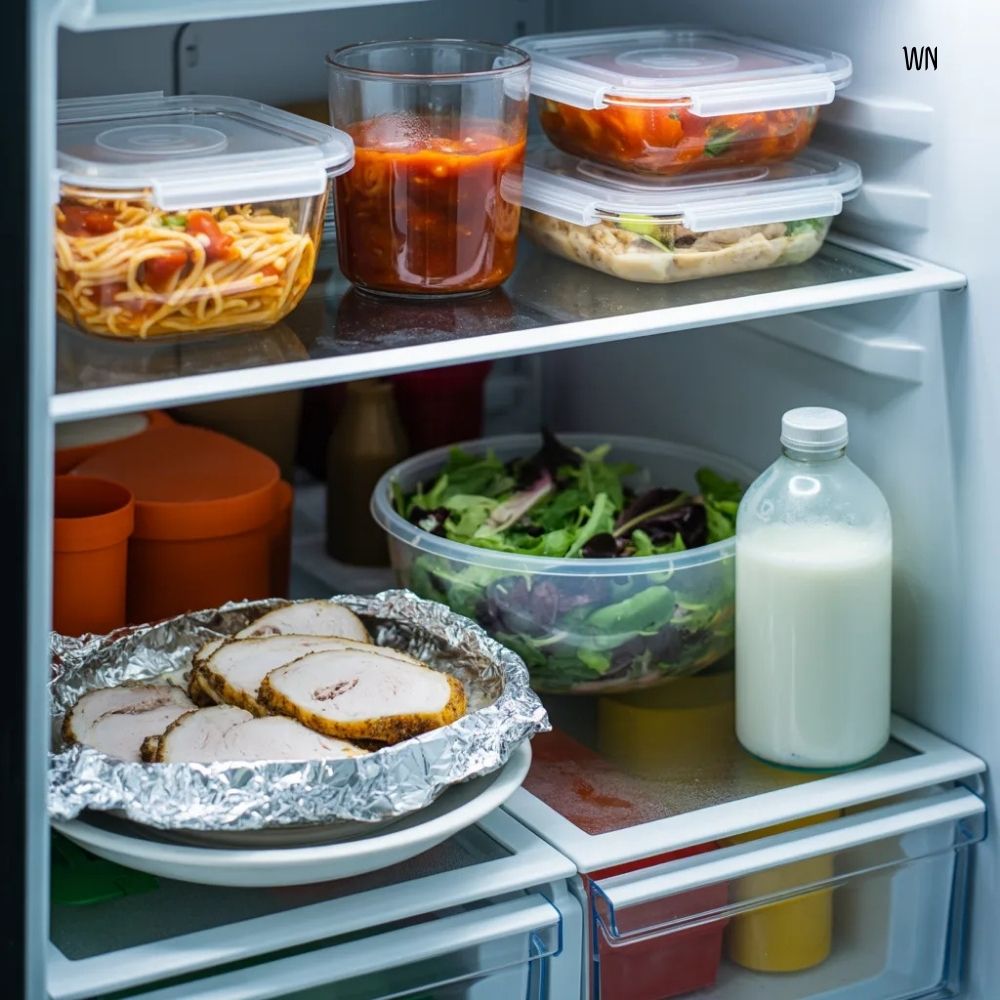
One of the simplest mindset shifts is to stop thinking of leftovers as meals and start thinking of them as ingredients. When food is seen as a flexible base instead of a finished dish, creativity becomes easier and resistance drops.
Cooked protein, roasted vegetables, rice, or sauce can all be reused in ways that feel fresh with very little additional effort. This reframing removes the pressure to “eat the same thing” and replaces it with the idea of building something new from what’s already done.
For couples, this also makes decision-making lighter. Instead of asking “Do you want leftovers?” you’re asking “What can we make quickly with what we already have?”
The Rule That Makes Reused Meals Feel New
There’s one simple rule that helps reused meals feel intentional rather than recycled: change at least two elements. This could mean changing:
- the texture (soft to crispy, chunky to shredded)
- the temperature (hot to warm, warm to cold)
- the format (plate to bowl, bowl to wrap)
- the flavor direction (savory to bright, rich to fresh)
You don’t need to reinvent the meal. You just need to shift it enough that your brain registers it as something different.
Choose “Reusable” Meals on Purpose
Some meals naturally lend themselves to reuse better than others. When couples cook with reuse in mind, leftovers become a bonus instead of a burden. Foods that rework well include:
- roasted meats
- cooked grains
- simple sauces
- roasted or sautéed vegetables
- soups and stews with clear components
Meals that are already heavily mixed or highly specific tend to feel harder to reuse. Keeping flavors relatively neutral on the first night makes the second meal easier and more appealing.
Share the Decision, Not the Pressure
One reason leftovers go uneaten is that no one wants to be the person who suggests them. It can feel like offering something lesser, even when it’s practical.
When couples treat reuse as a shared strategy rather than a fallback, this tension disappears. Talking casually about how food might be reused before it goes into the fridge removes pressure later.
A simple comment like, “This would be great repurposed tomorrow,” changes the emotional tone completely.
Example Recipe 1: Roast Chicken → Crispy Chicken Skillet Bowls
This is a classic example of turning a familiar dinner into something that feels genuinely new.
Night One: Simple Roast Chicken Dinner
You roast a whole chicken with basic seasoning and vegetables. Everyone eats comfortably, and there’s plenty left.
Night Two: Crispy Chicken Skillet Bowls
What you’re reusing
- Cooked chicken (shredded or chopped)
- Any leftover roasted vegetables
What you add
- A skillet
- A little oil or butter
- One fresh element (greens, herbs, lemon, or sauce)
- Rice, quinoa, or flatbread
How it comes together
Heat a skillet with a little oil. Add the chicken and let it sit without stirring for a few minutes so it crisps slightly. Toss in the vegetables to warm through.
Finish with something fresh, like lemon juice, yogurt sauce, or herbs. Serve over grains or in bowls with a drizzle of sauce.
Why it doesn’t feel like leftovers
The texture changes completely. The chicken is crispy instead of tender, the flavors are brighter, and the presentation is different. It feels like a deliberate second meal, not a repeat.
This is an ideal couple meal because one person can handle the skillet while the other sets up bowls or sauces.

Example Recipe 2: Cooked Rice → Quick Savory Rice Pancakes
Rice is one of the most common leftovers that people struggle to reuse creatively. This approach makes it feel comforting and fun.
Night One: Rice With Any Main
You make rice to go with a stir-fry, curry, or protein. There’s extra.
Night Two: Savory Rice Pancakes
What you’re reusing
- Cooked rice
What you add
- One egg
- A small amount of flour or breadcrumbs
- Salt and pepper
- Optional add-ins like scallions, cheese, or herbs
How it comes together
Mix rice with egg, flour, seasoning, and any add-ins. Form into small patties. Pan-fry in a lightly oiled skillet until golden on both sides.
Serve with a simple dip, salad, or leftover vegetables.
Why it works
The rice becomes crispy and cohesive, with a totally different mouthfeel. It feels like comfort food, not a reheat. It’s also easy to adjust based on what you have.
This works especially well for couples because it’s hands-on and collaborative without being complicated.

Keep Portions Flexible to Match Appetite
Another reason leftovers feel unappealing is mismatched appetite. One partner may want something light, the other something filling. Reused meals work best when they’re modular.
Bowls, wraps, and skillet meals allow each person to build their plate differently. This reduces compromise and increases satisfaction. Flexibility matters more than precision.
Use One “Fresh Element” Every Time
One of the easiest habits couples can adopt is adding one fresh element to reused food. This could be:
- herbs
- citrus
- something crunchy
- a quick sauce
- fresh greens
This small addition signals care and intention, even when the base is familiar.
Don’t Save Everything “For Later”
Sometimes leftovers pile up because everything gets saved. Being selective helps. If something won’t reuse well, enjoy it fully the first night or don’t save it at all. Couples who waste less food aren’t those who save everything. They’re the ones who reuse strategically.
Learning how to reuse food without resentment builds skills that extend beyond the kitchen. It encourages flexibility, shared decision-making, and realistic expectations.
For couples planning a family, these habits become even more valuable. They reduce mental load, save energy, and support calmer evenings without sacrificing comfort. Food becomes something that works with your life, not against it.
A Grounding Final Thought
Reusing food doesn’t have to mean settling for less. With a small shift in mindset and a few simple techniques, leftovers can become an asset rather than a chore.
When couples approach reuse as creativity instead of obligation, meals feel lighter, evenings feel easier, and food waste naturally decreases.
You don’t need to change everything at once. Try reworking one meal this week and notice how it feels. Over time, these small shifts quietly reshape how your home eats and lives.