Simple Seasonal Touches Couples Can Add at Home
Homes naturally change with the seasons, whether we plan for it or not. Light shifts, temperatures change, and our routines adjust in small ways. Yet many couples feel pressure to “decorate for the season” as if it requires a full reset, new purchases, or a perfectly styled space. That pressure often leads to doing nothing…
Homes naturally change with the seasons, whether we plan for it or not. Light shifts, temperatures change, and our routines adjust in small ways. Yet many couples feel pressure to “decorate for the season” as if it requires a full reset, new purchases, or a perfectly styled space. That pressure often leads to doing nothing at all.
In reality, seasonal touches work best when they are small, flexible, and connected to how you actually live. The most meaningful changes are often the simplest ones. They don’t announce themselves loudly, but they quietly shift how a space feels.
When couples add these touches together, they also create shared moments that reinforce the feeling of home as something you’re building side by side.
Seasonal decorating doesn’t need to be about trends. It’s about helping your home feel aligned with the time of year you’re in, using what you already have and making changes that support comfort, calm, and connection.
Why Seasonal Touches Matter More Than We Expect
Our bodies respond to seasons instinctively. We crave different textures, light levels, and rhythms depending on the time of year. When a home reflects those changes, it feels supportive rather than static.
For couples, seasonal touches also act as gentle markers of time. They help break the year into manageable chapters, which can feel grounding during busy or uncertain periods. Instead of days blending together, the home subtly reminds you where you are in the year.
The key is keeping these touches light and reversible. Seasonal changes should feel like an invitation, not a commitment.
Let Light Lead the Way
Light is often the first thing that changes with the seasons, and adjusting to it can make a noticeable difference with very little effort. In brighter seasons, homes tend to benefit from openness. In darker seasons, softness becomes more important.
Couples can start by simply noticing how light enters their space at different times of day. Opening curtains fully, rearranging seating to face windows, or removing heavy window treatments can help a home feel more in tune with spring and summer.
In fall and winter, using lamps instead of overhead lights or adding warmer bulbs creates a sense of coziness. These adjustments don’t require buying anything new. They’re about responding to the natural light that’s already there.
Change Textiles to Match the Season’s Feel
Textiles have a powerful effect on how a room feels. They also happen to be one of the easiest things to swap without much effort.
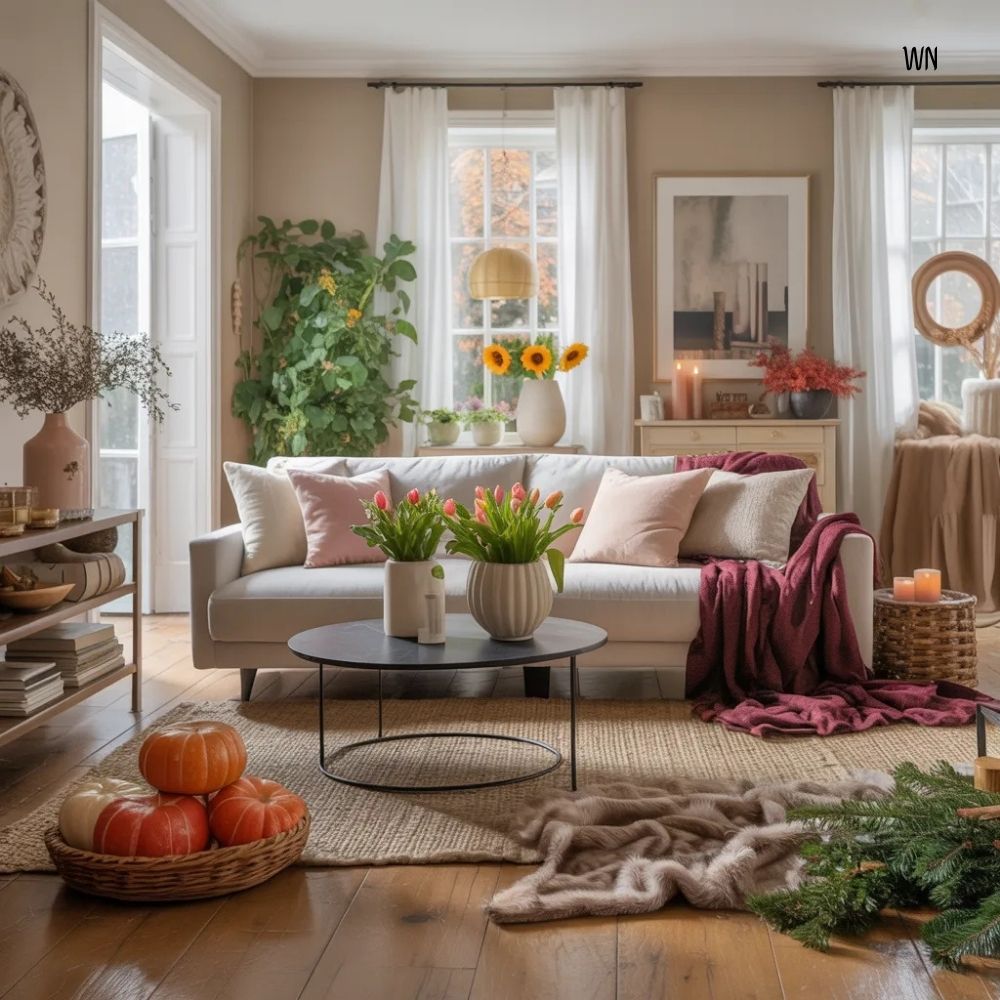
As seasons change, couples can rotate a few key items. Lighter throws, breathable fabrics, and softer colors often feel right in warmer months. Heavier blankets, textured pillows, and deeper tones bring comfort during colder seasons.
You don’t need to change everything. Swapping one blanket or a couple of pillow covers is often enough to shift the mood of a space. Doing this together keeps the process collaborative and relaxed, rather than turning it into a design decision that needs to be “right.”
Use Natural Elements as Seasonal Anchors
Nature offers some of the most effective seasonal cues, and they don’t need to be elaborate. Branches, flowers, greenery, stones, or even bowls of seasonal fruit can bring the outside world in gently.
In spring and summer, fresh flowers or simple greenery can brighten a room instantly. In fall, branches, dried leaves, or warm-toned natural elements add depth. In winter, evergreen clippings or simple arrangements bring life without fuss.
Couples often enjoy gathering or arranging these elements together. It turns decorating into an experience rather than a task, and the results feel personal rather than staged.
Refresh Scent to Match the Season
Scent is one of the most subtle but powerful seasonal touches. Our sense of smell is closely tied to memory and emotion, which means changing scents can quickly alter how a space feels.
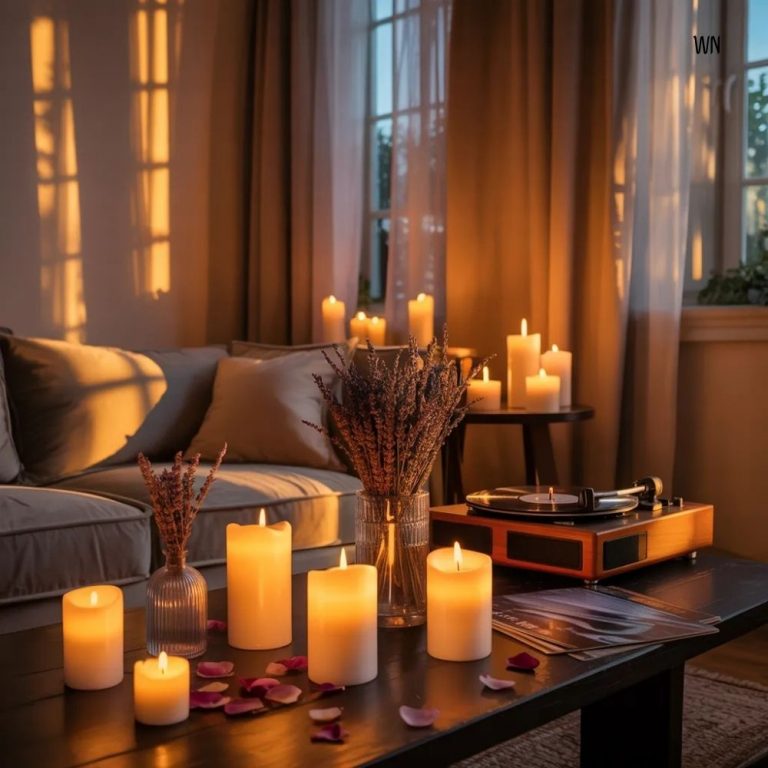
Lighter, fresher scents often suit warmer months. Think citrus, herbs, or soft florals. Cooler months tend to call for warmer, grounding scents like wood, spice, or vanilla. This doesn’t require a full scent overhaul. Even switching one candle or diffuser can be enough.
Choosing scents together is important, especially since scent preferences vary widely. When both partners enjoy the smell, it becomes a shared comfort rather than a background annoyance.

Adjust Everyday Objects Instead of Adding New Ones
Seasonal touches don’t always need to be decorative. Sometimes they’re about how everyday items are used or displayed.
Switching out dish towels, table linens, or bedding colors can subtly reflect the season without adding clutter. Using lighter mugs in summer or heavier ones in winter creates a tactile seasonal shift you feel every day.
These changes often go unnoticed at first, but over time they contribute to a sense of rhythm and intention in the home.
Create One Small Seasonal Focal Point
Rather than spreading seasonal decor throughout the house, many couples find it easier to focus on one small area. This could be a coffee table, entryway, shelf, or dining table.
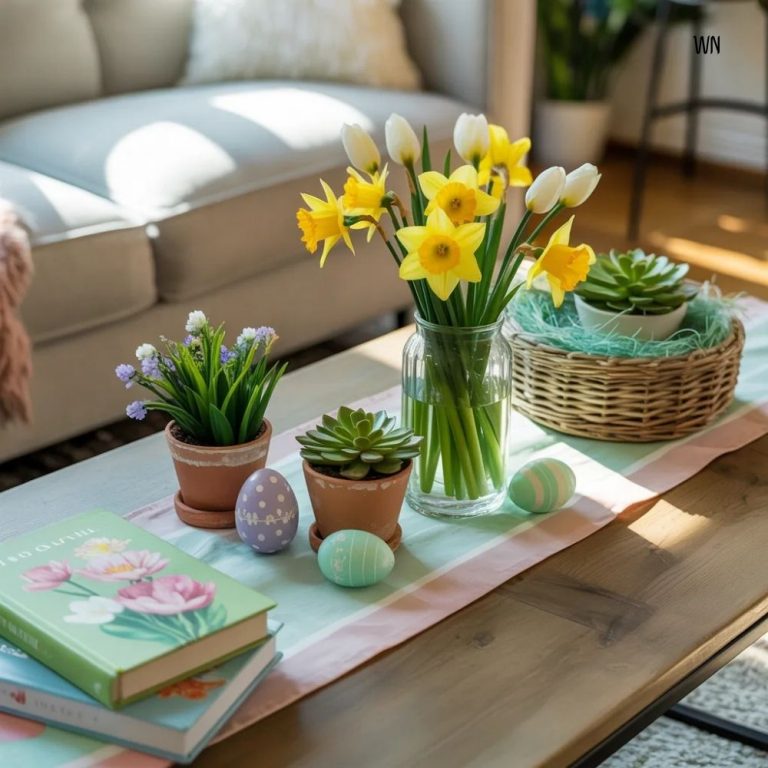
Choose one spot and refresh it with the season in mind. This might mean adding a vase of flowers, changing a runner, or rearranging a few objects. Keeping it contained prevents overwhelm and makes the change feel achievable in one evening.
Working on one focal point together also keeps the process enjoyable rather than draining.
Make Seasonal Updates Part of Shared Time
Adding seasonal touches works best when it’s treated as shared time rather than a task to finish. Put on music, make a drink, and move at a relaxed pace.
There’s no need to do everything at once. Even one small change can make a space feel refreshed. When couples slow down together during these moments, decorating becomes a form of connection rather than another obligation. These shared experiences often matter more than the visual outcome.
One reason seasonal decorating can feel stressful is the fear of commitment. Keeping changes easy to reverse removes that pressure.
Avoid anything permanent or complicated. Seasonal touches should feel playful and temporary. When you know you can change things again later, it’s easier to enjoy them now. This mindset supports flexibility and reduces tension, especially when tastes differ.
Why Seasonal Touches Matter for Couples Planning a Family
As life grows fuller, small comforts become more important. Seasonal touches help maintain a sense of care and intention even during busy periods.
For couples planning a family, learning how to make gentle adjustments without stress builds habits that carry forward. These small rituals help create a home that adapts rather than resists change.
They also reinforce the idea that home is something you tend together, in small ways, over time.
A Grounding Final Thought
Seasonal touches don’t need to be big or perfect to matter. Small, thoughtful changes help your home reflect where you are in the year and how you want to feel together.
By choosing simplicity, flexibility, and shared effort, couples can create a space that feels alive and supportive through every season. Start with one small change and notice how it shifts the mood. Over time, these gentle updates become part of the rhythm of your shared life.
If you’d like, we can next explore easy seasonal rituals couples can repeat each year, how to refresh a home without buying anything, or small ways to make everyday spaces feel more intentional together.