How to Share Home Responsibilities Without Friction
Sharing a home means sharing responsibility, yet this is one of the most common places where quiet tension builds in relationships. It rarely starts as a big conflict. More often, it shows up as small irritations, unspoken expectations, or the feeling that one person is always noticing what needs to be done while the other…
Sharing a home means sharing responsibility, yet this is one of the most common places where quiet tension builds in relationships. It rarely starts as a big conflict.
More often, it shows up as small irritations, unspoken expectations, or the feeling that one person is always noticing what needs to be done while the other seems unaware. Over time, these small moments can create distance, even in otherwise strong relationships.
The challenge is not that couples don’t care about fairness. It’s that home responsibilities carry emotional weight, mental load, and deeply ingrained habits from past experiences. Many people enter shared living without ever having learned how to divide responsibility in a way that feels natural, respectful, and sustainable.
The good news is that sharing home responsibilities without friction is not about perfect balance or strict rules. It’s about building understanding, shared awareness, and routines that support you both as real people.
When responsibilities are approached with care rather than control, they stop feeling like a source of tension and start feeling like part of a shared life.
Why Home Responsibilities Feel So Personal
Household tasks are rarely just tasks. They often represent care, effort, and values. Cleaning, cooking, organizing, and planning are ways people express responsibility and love, even if they don’t always feel appreciated.
When one partner feels they are carrying more of this invisible work, frustration can grow quickly. When the other partner feels criticized or monitored, defensiveness often follows. Neither response comes from a lack of care. They come from misaligned expectations and unspoken assumptions.
Understanding that home responsibilities are emotionally charged helps shift the conversation away from blame and toward clarity. When you recognize that both of you are likely doing your best with what you know, it becomes easier to move forward together.
Friction Often Comes From Mental Load, Not the Tasks Themselves
Many couples focus on dividing physical tasks, but friction usually comes from mental load. Mental load includes noticing what needs to be done, remembering when it needs to be done, planning how to do it, and keeping track of whether it’s finished.
When one person carries most of this mental load, even a fair division of tasks can feel exhausting. The issue is not laziness or unwillingness. It’s often that responsibility has never been made visible or shared explicitly.
Reducing friction starts with acknowledging mental load as real work. Once both partners recognize it, sharing responsibility becomes more possible and more fair.
Shared Responsibility Begins With Shared Awareness
One of the most effective ways to reduce friction is to build shared awareness of what it takes to run your home. This doesn’t mean listing every task or creating a detailed plan. It means developing a mutual understanding of what exists beneath the surface.
Talking openly about what feels heavy, what feels manageable, and what often goes unnoticed creates space for empathy. When both partners understand the full picture, it becomes easier to support each other without resentment. Shared awareness turns home care into a team effort rather than a silent competition.
Clear Ownership Reduces Tension
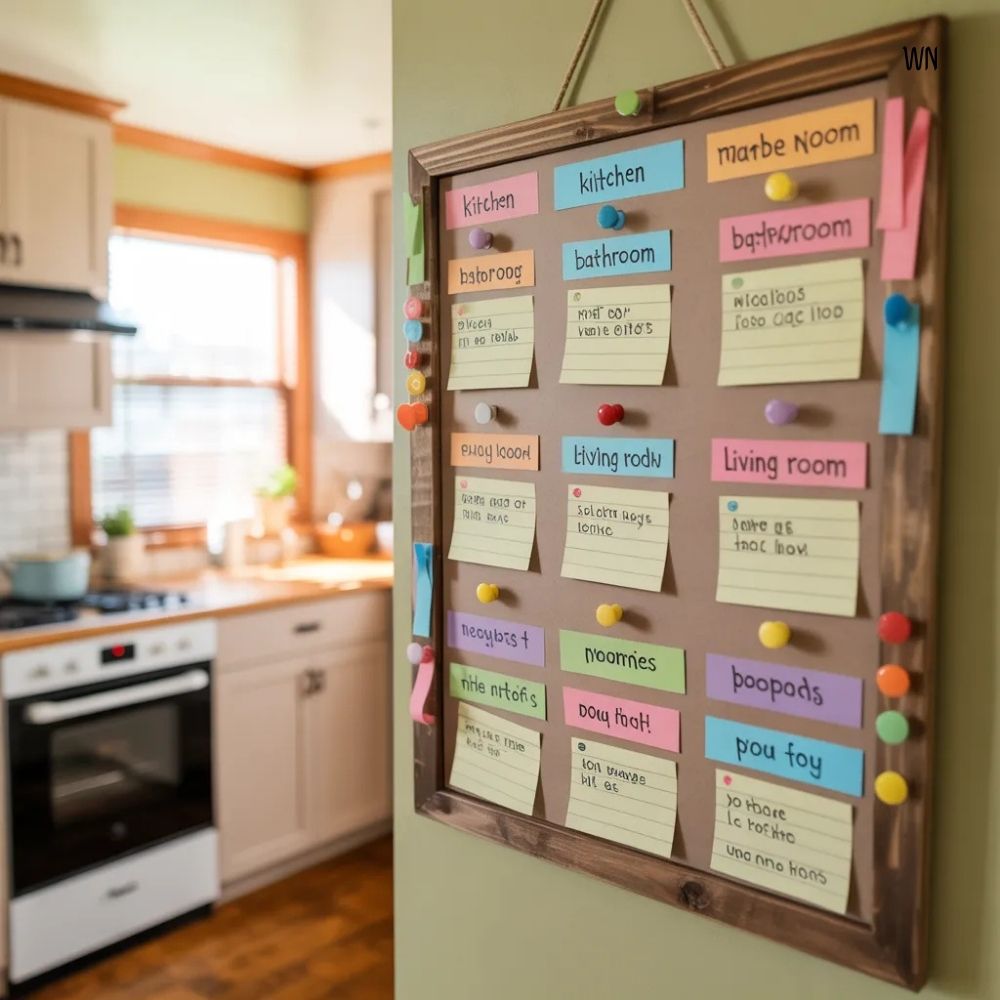
Friction often arises when responsibility is vague. When both people feel vaguely responsible for everything, tasks either get duplicated or ignored, and frustration builds.
Clear ownership does not mean rigid assignments. It means having an understanding of who generally handles what, so tasks don’t require constant negotiation. This clarity reduces mental strain and prevents the feeling of always having to remind or check in.
Ownership should feel supportive, not limiting. It can shift over time and adjust with changing circumstances. What matters is that responsibility feels clear enough to remove daily tension.
Avoiding Scorekeeping Keeps Relationships Healthier
When friction builds around home responsibilities, it’s tempting to keep mental track of who did what and when. While understandable, this kind of scorekeeping often makes things worse. It turns shared life into a transaction rather than a partnership.
Instead of focusing on equal output, it helps to focus on shared effort and mutual care. There will be times when one partner does more, and times when the balance shifts. What matters is that both people feel supported over time.
Letting go of exact comparisons allows room for flexibility and compassion, which are essential for long-term harmony.
Communication Matters More Than Task Lists
While lists and schedules can be helpful tools, they don’t solve underlying relational tension on their own. Communication is what allows responsibility-sharing to feel fair and respectful.
This means talking about expectations openly, expressing appreciation for effort, and addressing frustrations early rather than letting them build. It also means listening without defensiveness when concerns are raised.
When communication stays calm and curious, responsibilities become easier to adjust and renegotiate as life changes.
Appreciation Softens the Edges of Daily Life
Feeling appreciated has a powerful effect on how responsibilities feel. When effort is noticed and acknowledged, tasks feel less burdensome and more meaningful.
Simple expressions of appreciation go a long way. They don’t need to be dramatic. Acknowledging effort regularly reinforces the sense that you are working together rather than separately. Appreciation turns routine care into relational care.
Flexibility Is Essential for Long-Term Balance
Life is not static, and neither are responsibilities. Work demands shift, energy fluctuates, and future changes, including starting a family, will alter how much each person can take on at different times.
Sharing responsibilities without friction requires flexibility. This means revisiting arrangements when something stops working and adjusting without blame.
Flexibility allows responsibilities to evolve with your life rather than becoming a source of stress. When adjustments are normal rather than reactive, friction decreases naturally.
Building These Habits Before Family Life Expands Matters
For couples planning a family, learning how to share home responsibilities now is especially valuable. Once life becomes busier, unresolved tension around home care can grow quickly.
Establishing shared habits early creates a foundation that can adapt as responsibilities increase. It also builds trust that both partners will continue to show up for each other when demands grow.
Home responsibilities, when shared well, support not just the household, but the relationship itself.
A Steady Final Thought
Home responsibilities are not just about keeping things running. They are about how you live together, how you support each other, and how you share the weight of daily life. When responsibilities are shared with care and clarity, they stop being a source of friction and start becoming a quiet expression of partnership.
If you’d like, we can next explore how to reduce mental load as a couple, building shared routines that support connection, or preparing your home habits for future family life.