How to Strengthen Your Relationship Through Daily Routines
When people think about strengthening a relationship, they often imagine meaningful conversations, special moments, or big efforts made during difficult times. While those things can matter, most relationships are shaped far more quietly. They are built and maintained through the ordinary flow of daily life, through small repeated actions that either support connection or slowly…
When people think about strengthening a relationship, they often imagine meaningful conversations, special moments, or big efforts made during difficult times.
While those things can matter, most relationships are shaped far more quietly. They are built and maintained through the ordinary flow of daily life, through small repeated actions that either support connection or slowly erode it without anyone noticing.
Daily routines play a powerful role here, especially for couples planning a family. Before life becomes busier and more demanding, the habits you build together now become the structure that holds your relationship steady later.
Routines are not about rigid schedules or controlling how you spend your time. At their best, they create predictability, safety, and shared presence. They help you feel like you are moving through life together rather than side by side.
Strengthening a relationship through daily routines does not require doing more. It requires doing a few things with intention and consistency, in ways that support both of you as real people with real limits.
Why Daily Routines Matter More Than Occasional Effort
One of the most reassuring things about daily routines is that they do not rely on motivation or perfect timing. Unlike big relationship gestures, routines work quietly in the background. They show up even on tired days, busy weeks, and emotionally flat moments.
Relationships tend to feel strongest when there is a sense of reliability. Knowing that certain moments are shared, certain needs are noticed, and certain rhythms are protected creates emotional safety. Over time, this safety builds trust, not through grand declarations, but through lived experience.
Daily routines also reduce uncertainty. When connection is woven into everyday life, it doesn’t depend on finding the “right moment.” It simply happens as part of how you live together.

Routines Create Shared Ground in Busy Lives
Modern life pulls couples in many directions. Work, responsibilities, technology, and social expectations can easily fragment attention. Without shared routines, it’s common for couples to feel like they are constantly catching up with each other, even when they spend time in the same space.
Daily routines create shared ground. They offer predictable points where both partners come together, even briefly, in a way that feels intentional. These moments do not need to be long to be meaningful. What matters is that they happen regularly and are treated as important.
Shared routines remind both partners that the relationship is not something to fit in later. It is something that lives inside daily life.
The Power of Simple Check-In Moments
One of the most effective relationship-supporting routines is a simple daily check-in. This doesn’t need to be a deep conversation or a problem-solving session. It can be as simple as asking how the day felt, what was heavy, or what went well.
When done consistently, these check-ins help partners stay emotionally aware of each other. They prevent small stresses from building silently and reduce the feeling of emotional distance that can develop when days pass without real connection.
What matters most is presence. Putting devices down, making eye contact, and listening without rushing sends a clear message of care. Over time, these moments create a sense of being seen and supported, which strengthens the relationship naturally.
Shared Meals as Relationship Anchors
Eating together is one of the most natural routines couples share, yet it’s often treated as a logistical task rather than a relational one. When shared meals are protected, even imperfectly, they become powerful anchors in the day.
Meals offer built-in opportunities for conversation, reflection, and reconnection. They don’t require planning emotional topics or creating special moments. Simply sitting together and sharing food creates a pause in the day where partners can be present with each other.
This does not mean every meal must be shared or distraction-free. What matters is that shared meals happen often enough to feel grounding rather than rare.
Evening Routines Help Close the Day Together
How a couple ends the day has a significant impact on how connected they feel over time. Evenings often carry the weight of fatigue, unfinished tasks, and mental overload. Without intention, it’s easy for partners to drift into separate worlds by the end of the day.
Simple evening routines help bring closure and reconnection. This might include a short conversation before bed, preparing for the next day together, or simply sitting in the same space for a few quiet minutes.
These actions signal that the day is ending and that you are still connected, regardless of how the day went. Ending the day with some form of shared presence helps prevent emotional drift and builds a sense of continuity.

Routines Reduce Relationship Friction
Many relationship tensions are not about major disagreements, but about small repeated stressors. Unclear expectations, uneven responsibilities, and mental load can slowly wear on connection.
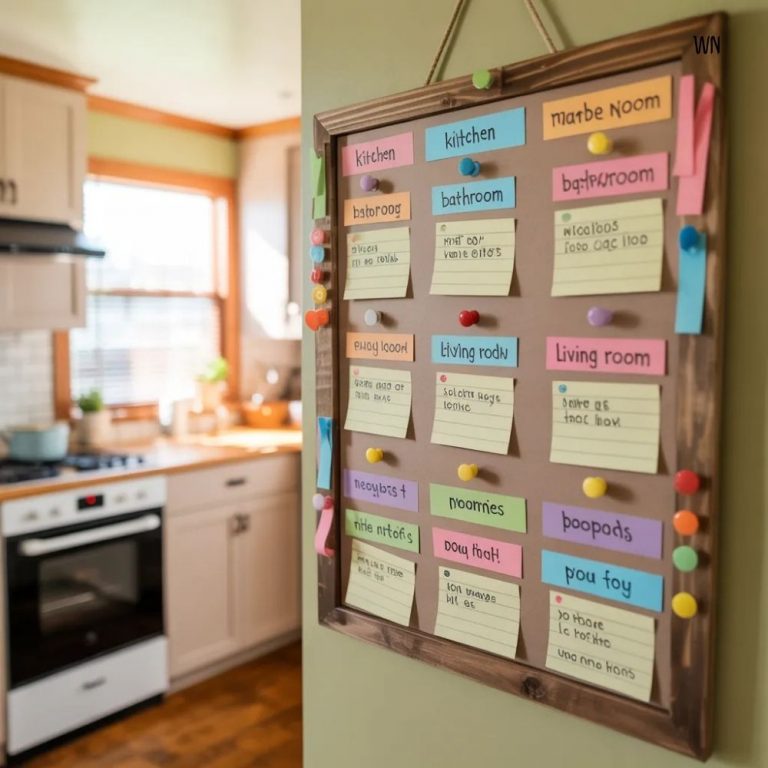
Daily routines help reduce this friction by creating structure around shared responsibilities. When tasks like meals, household care, or planning are approached with some regularity, they become less emotionally charged.
This doesn’t mean everything must be scheduled. It means there is a shared understanding of how things tend to flow. When daily life feels more predictable, partners have more emotional capacity for each other.
Flexibility Keeps Routines Supportive
Routines are meant to support connection, not control it. When routines become rigid or burdensome, they lose their relational value. Healthy routines allow for flexibility, adjustment, and grace.
Life changes, energy fluctuates, and needs evolve. The strongest routines are those that can bend without breaking. Checking in about what still feels helpful and what needs adjusting keeps routines relevant and supportive.
A routine that adapts with you strengthens the relationship rather than restricting it.

Building Routines Together Strengthens Partnership
Routines are most effective when they are built collaboratively rather than imposed by one partner. Talking about what feels supportive, what feels draining, and what matters most creates shared ownership.
Building routines together reinforces the idea that the relationship is a partnership. It also reduces the risk of resentment that can arise when one person carries more of the emotional or logistical work. Shared routines reflect shared values, which strengthens the bond between partners.
What Strengthening a Relationship Really Looks Like Day to Day
Strengthening a relationship through daily routines does not mean adding more to your plate. It means choosing a few small, repeatable actions that support connection over time. It looks like showing up in simple ways, even when energy is low. It looks like creating moments of presence inside ordinary life.
These routines may not feel dramatic, but their impact is lasting. Over time, they create a relationship that feels steady, supportive, and resilient.
A Grounding Final Thought
Strong relationships are not built only in moments of crisis or celebration. They are built in kitchens, at tables, during quiet evenings, and in the small pauses between tasks. Daily routines offer a way to care for your relationship without pressure or perfection.
By choosing routines that support connection, you are investing in a foundation that can carry you through future changes with more ease and trust.
If you’d like, we can next explore how to share mental load through daily habits, simple routines that support emotional safety, or how to build connection when life gets busier.